
Build an approval‑ready credit profile
Understand what’s driving your credit decisions, identify items that may be unfair or inaccurate, and take a structured next step toward stronger approvals and better terms.
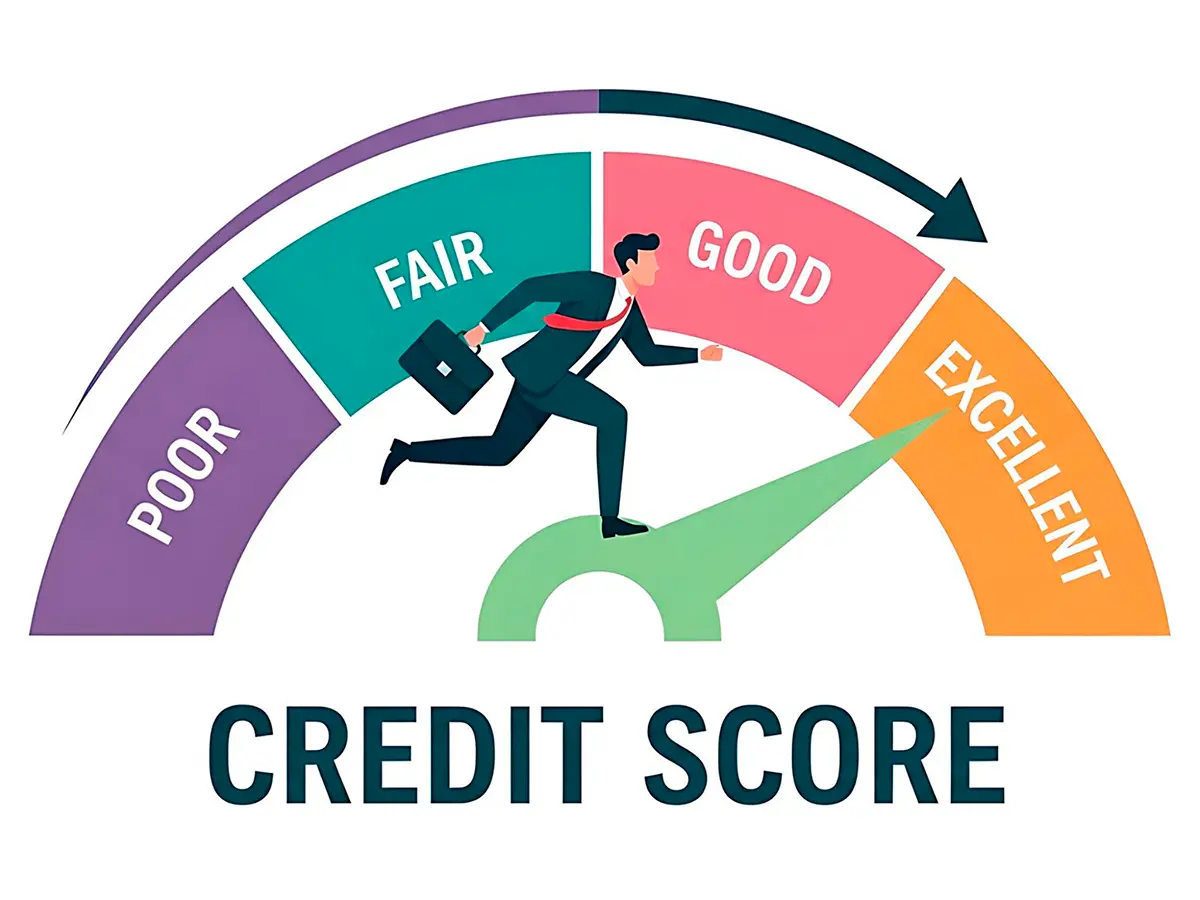
Built around established U.S. credit reporting practices and dispute procedures under the Fair Credit Reporting Act (FCRA). No unrealistic promises—just clarity, documentation, and structured credit improvement.
Unlock more options
Choose the outcome you care about. We’ll outline what improves it—and what to watch for—so you can move forward with confidence.
Your path to stronger credit
A stronger credit profile can mean better approval odds, improved loan terms, and more financial flexibility. Get a clear, no-fluff overview of what credit improvement can help you achieve — then take the next step when you're ready.
Credit decisions in the U.S. are typically influenced by payment history, utilization ratios, account age, recent inquiries, and the accuracy of reporting across major credit bureaus.
Even small inconsistencies can affect lending algorithms. A structured credit improvement approach focuses on verified data, responsible usage patterns, and consistent financial behavior.
*Results vary. This page does not guarantee outcomes.
How it works
A straightforward workflow used by reputable credit‑support programs: review, challenge what’s questionable, and build stronger habits while updates are processed.

Review your starting point
Clarify your goal and look at what’s currently affecting approvals and terms.

Identify what can be challenged
See what information is typically needed, what to expect next, and how the workflow usually looks.

Move forward
Continue to explore available options and take the next step toward better credit outcomes.
how to clear up credit without guesswork
I'm not here for magic tricks. I wanted proof, not platitudes, and I assumed "credit repair" was mostly noise. Still, I needed results. Here's what actually nudged numbers, what didn't, and how to keep control without turning your life into spreadsheets.
Find what's really broken
Start with all three reports and your scores. I noted every late mark, balance, and collection - then ranked them by impact. High balances and recent delinquencies hurt most; small, ancient blemishes mattered less than I feared.
- Late payments: newest = heaviest hit.
- High utilization: balances near limits are score poison.
- Collections/charge-offs: verify before paying.
- Errors: wrong limits, duplicate accounts, mixed files.
Actions that move numbers
- Autopay the minimums immediately. On-time history is king. You "must" pay every bill on time. Well, almost - one slip won't doom you, but a pattern will. Autopay the minimum, then add extra payments when cash allows.
- Cut utilization fast. Pay cards before the statement closes so low balances get reported. Ask for limit increases on stable cards, but skip requests that need hard pulls if you're already fragile.
- Clean up collections smartly. Validate first. If it's legitimate, try a pay-for-delete; if not, get it removed. Even paid-but-not-deleted collections can help with manual underwriting, which is less dramatic but still practical.
- Dispute real errors - once, well. Include statements, letters, dates. Not every dispute wins, and that's fine; the goal is accurate reports, not a fantasy file.
A quick real-world moment
At a rental counter, my deposit jumped to a painful number. Two months after dropping utilization below 10% and getting one verified error removed, the same company approved me with a normal deposit. Not thrilling - just quieter, cheaper travel.
Build positive data on purpose
- Secured card or credit-builder loan: small, predictable lines that report monthly.
- Authorized user (carefully): only if the primary has low utilization and spotless history.
- Routine charge + autopay: a streaming bill is boring - and that's ideal.
Keep momentum measurable
Expect reporting lags of 30 - 60 days. Improvements compound at 3 - 6 months. I set calendar checkpoints, not daily refreshes.
- Track utilization monthly.
- Limit new accounts; each hard pull is a small toll.
- Don't rush to close old cards. Correction: if a card is expensive and unused, closing it can be right - just consider age and limit before you do.
Myths I stopped believing
- "Paying old debt resets the timer." Not for accurate negatives; clocks follow law and status.
- "More disputes = faster results." Quality beats volume.
- "Closing cards boosts discipline and scores." Discipline, yes; scores, usually not.
If collectors call
Keep it in writing, request validation, and negotiate from facts, not fear. Document every promise; settlements should be clear and final.
What 'clear' really looks like
Low balances, no new dings, verified data, and steady, boring payments. It's less about tricks and more about control. Results follow when your reports tell the same calm story every month - and they will.
It's also possible to use bankruptcy to erase student loan debt and older tax debt, but can be difficult. MORE: Chapter 7 vs. Chapter 13 ...
How to deal with legitimate negative information - Negotiate a settlement: You can try to settle debts for less than the full amount owed to get ...
Wondering how to clean up your credit report? Don't worry--we've got you covered. Keep reading to learn more.
Frequently asked questions
A clear next step — without the guesswork
See what’s impacting approvals and what may deserve a closer look.
Understand how disputes are structured and what documentation matters.
Improve utilization, consistency, and long-term credit stability.
See what improving your credit could change
Take a structured next step based on your current profile — and decide with clarity.